Engineering would be considerably simpler if water was always arriving at the same speed.
It doesn’t.
The amount of water that enters a residential water system is subject to change throughout the day. Commercial and industrial facilities might experience peak operating times. Stormwater flow is affected by weather conditions. The demand for clean water can also increase and falls based on application.
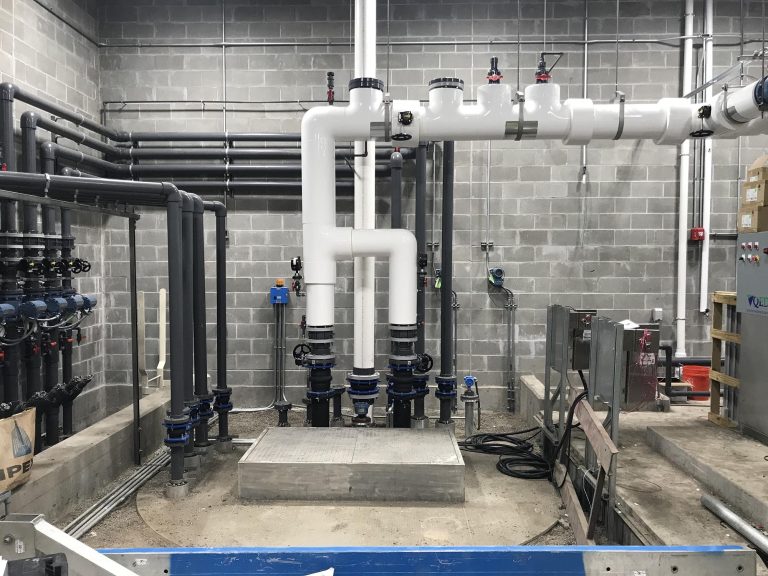
Image credit: romtecutilities.com
As a result, designing a pump station isn’t simply a matter of identifying one flow number and selecting equipment capable of meeting it. Engineers need to be aware of the range of conditions the system will be exposed to.
Take into consideration the operating conditions and not just the Maximum Capacity
It’s obvious that maximizing flow is an important aspect however, it’s just an aspect of the operation of a station. Imagine a system for wastewater that is designed for a high peak-flow. In the majority of cases the incoming flow is less. When this happens however, the station has to perform as it should.
It brings up issues like wet-well sizing and the size of the pump and control system of head condition, how to adjust equipment as the demand for it changes.
A properly designed package pumping system brings these elements together around the actual requirements for the particular site, rather than thinking of maximum pump capacity as the sole design goal.
The daily routine of wastewater
Throughout the life of an wastewater lift station conditions for the influent may change.
The system has to collect the wastewater and turn on its pumps in accordance with the established control plan for the station. Dimensions of the structure, pumps, valves, pipes, electrical components and controls all play roles in that process.
Other considerations specific to the site could influence the design. Romtec Utilities is able to include additional equipment, such as grinder vaults or odor-control equipment, depending on the specific application. The result is a station that is engineered to fit the needs of the project, rather than being a general design that can be which can be applied to all wastewater sources.
Stormwater can change much faster
Stormwater is a totally different type of operation. A stormwater lift station may see relatively little activity during dry conditions and then face significant increases in flow when a weather storm occurs. The station could be part of a larger flood-control or detention, treatment or drainage strategy, making the stormwater strategy surrounding it an essential element of the system design.
Romtec Utilities evaluates factors including needed flow rates and head conditions, system size the site’s requirements, as well as environmental considerations when developing the systems.
The design of a station that is designed for commercial use could be very different from the design of a station designed for stormwater management in the municipality.
Head Conditions Are Important Alongside Flow
The ability to move 1,000 gallons is just one aspect of the engineering challenge. Engineers should also be aware of where that water is going and what resistance the pumping system is expected to face.
Pumps operate at different head levels depending on the design of the system, such as the piping or discharge conditions.
This relation between flow and head is yet another reason why selecting the right pump solely on its rating is not enough. Pump technology and station layout must match the hydraulic requirements of the particular application.
Plan for the conditions that the station will actually experience
Romtec Utilities designs and develops customized pumping systems to address the demands of wastewater, stormwater management and clean water, industrial applications, boosters, and many more. The procedure may involve preliminary design and budgeting as well as complete plans sets, system supply, documentation starting, testing and commissioning.
The concept behind this design is straightforward pumping systems can’t have to work for the rest of their lives in a set of favourable conditions.
They must also consider the project-specific hydraulic needs, in addition to the fluctuating demand, flow and requirements. It is essential to design a station that can deal with this situation.