It is not until much later that the efficiency of a lift station will be evaluated. The design is determined by numerous factors including the flow calculations, site elevation and system pressure, as well as the properties of wastewater as well as high-pressure conditions, access to maintenance, controls, and the future capacity.
Project owners who want to evaluate the most effective lift station design The most important question isn’t simply who can specify pumps. What is the best way to translate site conditions into a comprehensive, practical system that is simple to set up, maintain and operate?
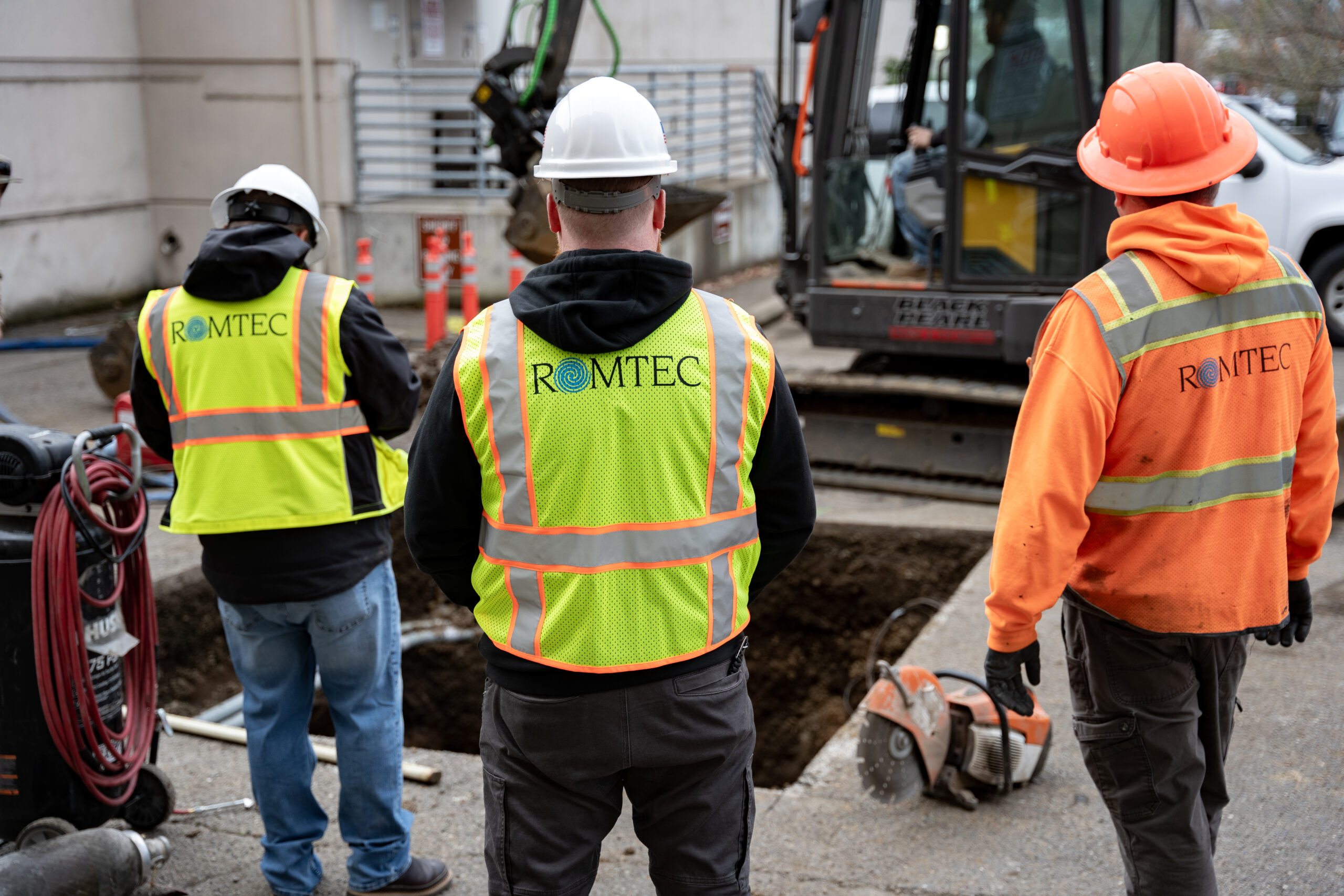
Image credit: romtecutilities.com
Gravity Has its Limits
Gravity is the most efficient means to move wastewater. However, terrain and development patterns aren’t always to favor this method. It is possible that the new residential, industrial or commercial properties are too large, far away or located in areas where gravity sewer expansion isn’t possible.
A lift station is the force required to transport wastewater towards the next stage of the system of collection. However, designing one requires a thorough understanding of the operation of a normal system as well as other situations that are less convenient, for instance, peak inflows, pump maintenance equipment failure, potential increases in demand.
The best companies in wastewater design must analyze the whole problem, instead of just focusing on the station.
The existing infrastructure makes the problem more complicated
The problem is not the new construction. Municipalities often have to upgrade or replace aging stations while keeping essential infrastructure for wastewater functioning.
Existing infrastructure, such as wet wells, control systems, force mains site boundaries, downstream infrastructure, could limit the design. Engineers must determine what can be left, what requires replacement and how the new elements will integrate with the existing system.
Romtec Utilities has experience in commercial, private, and municipal applications as additionally, retrofit and renewal projects. This permits pumping systems be adapted to the owner and operational requirements of each project.
Stormwater Has Different Rules
The best stromwater system designers using the supplied search terminology must solve a different hydraulic problem. Stormwater systems are susceptible to massive volume fluctuations based on rainfall and other factors such as the area of drainage, capacity of detention, and discharge rate.
Stations serving detention basins for instance, may have to temporarily store the runoff before pumping it out in a controlled manner. Engineers need to consider the flow rate, head’s condition, demands of the environment, the flood management objectives, and the particulars of the drainage system for which it is receiving.
Prefabrication is a way to move work from the site of work
The complexity of field assembly may lead to problems with scheduling, errors in installation, change orders, and even delays. Romtec Utilities prefabricates equipment before it is delivered to project sites.
Incorporating more assembly and quality-control tasks in a controlled setting can reduce the amount of construction required in the field. According to the project approach described by Romtec Utilities, certain projects that could otherwise require weeks to complete could be reduced to a few days according to the circumstances of the project.
Commissioning is a Key Part of Engineering Success
The placement of all components does not make a station stable. Romtec Utilities offers installation advisors to help with the construction process that includes starting up, control panel checks, pump operations, system testing, and training for personnel. The documentation also provides operators with information that they can refer to when maintaining the system or considering the possibility of expansion in the future.
If you are looking for the most reputable lift station designers, that final phase deserves to be considered. The end result of good engineering should be more than a set acceptable drawings. The proprietor must be left with a system that works and well-trained staff, as well as helpful documentation, and equipment that is specifically designed to handle the operating conditions of the facility.