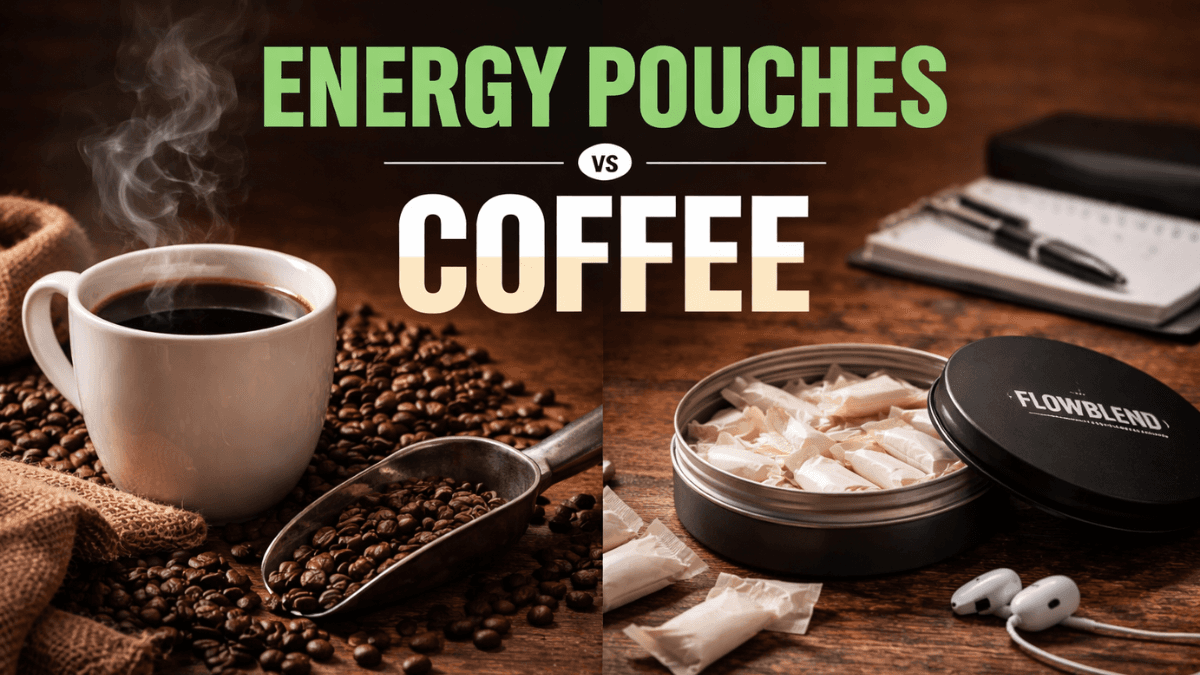
The modern world has been powered by coffee for many years. Coffee fuels long working hours, meetings, deadlines, and mornings. Many people now question whether their daily cup of coffee actually helps them concentrate or is merely a temporary boost. This trend has prompted a rise in interest in energy pouches vs coffee, not as an argument of “good over bad,” but as a deeper discussion about consistency, control, and performance in the cognitive realm.
Coffee: A fast-energy drink with Limits You’re Used to
Coffee is able to do many things effectively. It is quick, comforting and offers a strong sense of energized. It can be effective to complete tasks in a short time or as getting up early in the morning. The caffeine boost is a source of an alertness and the ritual of drinking coffee signals the brain it’s time for the next step.
Repeated use will reveal the drawbacks. Over time, tolerance builds quietly. The same cup which once was powerful is now required to be normal. With this tolerance comes often anxiety and jitters. This is especially true when you are under pressure. It is important to consider the time of day. Intoxication with caffeine can disrupt sleep and lead to fatigue.
This is where many people start to look at alternative coffee options for focus, not because they think coffee is “bad,” but because their preferences have changed.
Energy Pouches: The rise of the Pouches
The pouches were not designed to replace coffee. The pouches were developed to address a distinct problem of maintaining alertness and clarity without overwhelming the nervous system. When comparing coffee vs energy pouches, the major difference lies in delivery.
Energy pouches usually contain lesser caffeine, which is released gradually. The pouches are designed to create a smoother and more consistent energy curve. This is the best approach for lengthy work periods travelling days, demanding tasks that require sustained attention.
People who are intolerant or are tired of caffeine’s fluctuations can take advantage of energy pouches for caffeine, but not the crash. It’s not about feeling buzzed but instead ensuring that you stay steady.
Focus and Stimulation
One among the most misunderstood elements of caffeine is the assumption that more stimulation means better productivity. Focus and stimulation are two distinct things. Coffee is excellent at stimulating. However, focus is a must.
Many users have found that energy pouches provide longer focus windows due to the mental noise that often accompanies higher caffeine doses. Concentration is less affected by nervousness. The need to “chase energy” throughout the day is lessened in the event that you experience fewer crashes.
The energy pouch vs. the coffee argument is relevant in the present due to this difference. In a world where tasks require continual problem-solving and more deep thinking, a smoother energy is a benefit.
Select Carefully
It is important to know: coffee still has a place. Coffee can be a great instrument for quick activation, social rituals or moments where you require a boost. The energy pouches will not simplify your workday.
A conscious decision is the key to an energy source that is successful. People are now able to match their motivation to their specific demands instead of being reliant on their habits. Explosive energy versus regular clarity. Long-term focus or short bursts? Comfort versus control.
When viewed this way, coffee vs energy pouches isn’t a competition it’s a decision framework. Understanding how caffeine affects the body and the mind can help you utilize it in a strategic manner rather than reacted.
A smarter way to go
The conversation around caffeine has changed as working hours get longer and the demands on our minds rise. Many are recognizing that productivity isn’t about pushing harder and harder, but rather about balancing. You can opt to use the energy pouch or coffee.
Modern coffee choices are an appealing option for those who prioritize consistency, better concentration, and less crashes. In the end, energy is best when it helps you achieve your goals instead of limiting them.
Why Consistent Energy Matters More Than Intensity In Modern Work
The modern world has been powered by coffee for many years. Coffee fuels long working hours, meetings, deadlines, and mornings. Many people now question whether their daily cup of coffee actually helps them concentrate or is merely a temporary boost. This trend has prompted a rise in interest in energy pouches vs coffee, not as an argument of “good over bad,” but as a deeper discussion about consistency, control, and performance in the cognitive realm.
Coffee: A fast-energy drink with Limits You’re Used to
Coffee is able to do many things effectively. It is quick, comforting and offers a strong sense of energized. It can be effective to complete tasks in a short time or as getting up early in the morning. The caffeine boost is a source of an alertness and the ritual of drinking coffee signals the brain it’s time for the next step.
Repeated use will reveal the drawbacks. Over time, tolerance builds quietly. The same cup which once was powerful is now required to be normal. With this tolerance comes often anxiety and jitters. This is especially true when you are under pressure. It is important to consider the time of day. Intoxication with caffeine can disrupt sleep and lead to fatigue.
This is where many people start to look at alternative coffee options for focus, not because they think coffee is “bad,” but because their preferences have changed.
Energy Pouches: The rise of the Pouches
The pouches were not designed to replace coffee. The pouches were developed to address a distinct problem of maintaining alertness and clarity without overwhelming the nervous system. When comparing coffee vs energy pouches, the major difference lies in delivery.
Energy pouches usually contain lesser caffeine, which is released gradually. The pouches are designed to create a smoother and more consistent energy curve. This is the best approach for lengthy work periods travelling days, demanding tasks that require sustained attention.
People who are intolerant or are tired of caffeine’s fluctuations can take advantage of energy pouches for caffeine, but not the crash. It’s not about feeling buzzed but instead ensuring that you stay steady.
Focus and Stimulation
One among the most misunderstood elements of caffeine is the assumption that more stimulation means better productivity. Focus and stimulation are two distinct things. Coffee is excellent at stimulating. However, focus is a must.
Many users have found that energy pouches provide longer focus windows due to the mental noise that often accompanies higher caffeine doses. Concentration is less affected by nervousness. The need to “chase energy” throughout the day is lessened in the event that you experience fewer crashes.
The energy pouch vs. the coffee argument is relevant in the present due to this difference. In a world where tasks require continual problem-solving and more deep thinking, a smoother energy is a benefit.
Select Carefully
It is important to know: coffee still has a place. Coffee can be a great instrument for quick activation, social rituals or moments where you require a boost. The energy pouches will not simplify your workday.
A conscious decision is the key to an energy source that is successful. People are now able to match their motivation to their specific demands instead of being reliant on their habits. Explosive energy versus regular clarity. Long-term focus or short bursts? Comfort versus control.
When viewed this way, coffee vs energy pouches isn’t a competition it’s a decision framework. Understanding how caffeine affects the body and the mind can help you utilize it in a strategic manner rather than reacted.
A smarter way to go
The conversation around caffeine has changed as working hours get longer and the demands on our minds rise. Many are recognizing that productivity isn’t about pushing harder and harder, but rather about balancing. You can opt to use the energy pouch or coffee.
Modern coffee choices are an appealing option for those who prioritize consistency, better concentration, and less crashes. In the end, energy is best when it helps you achieve your goals instead of limiting them.